

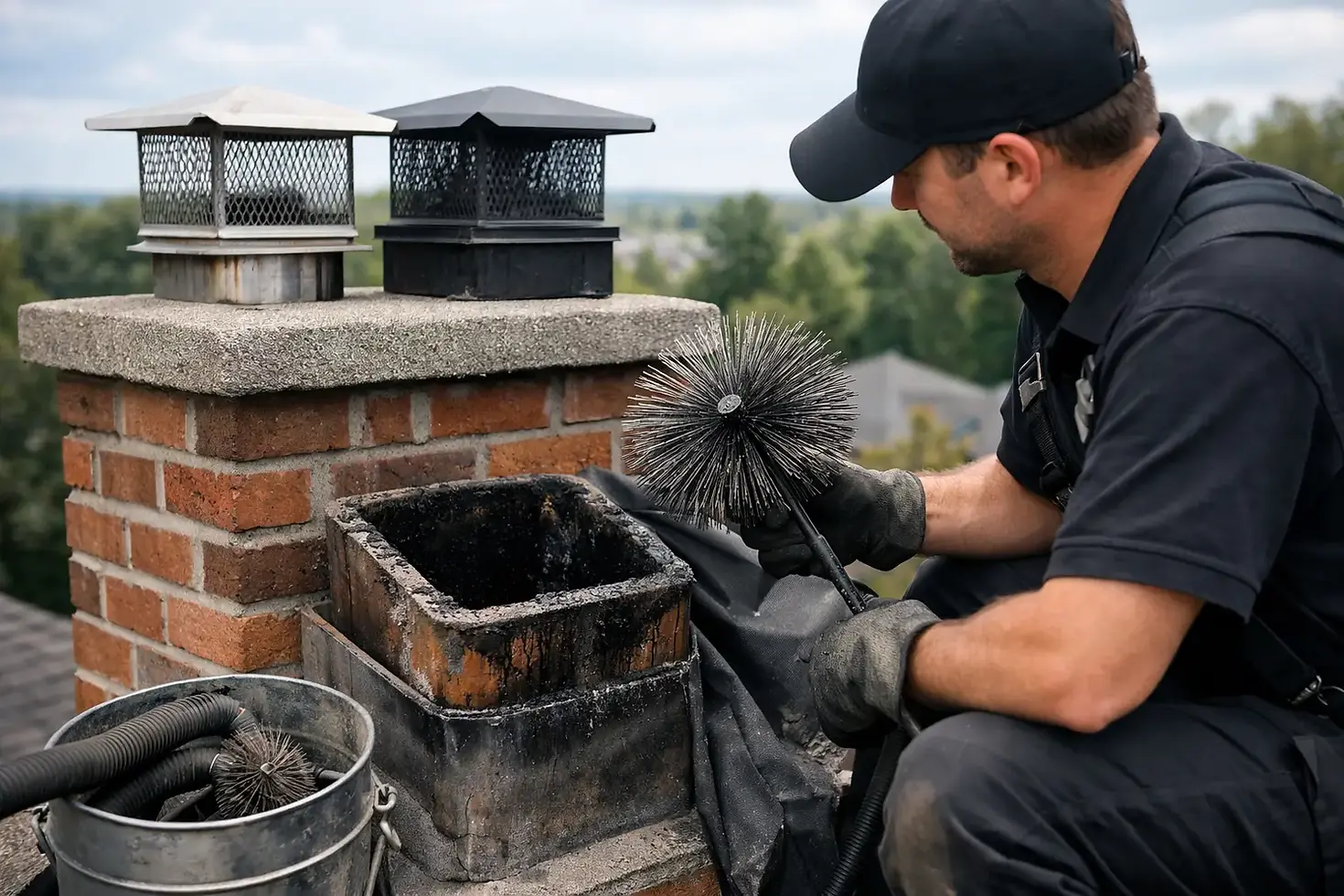
How Often Should Chimney Be Cleaned?

If you have used your fireplace a handful of times and everything seems fine, it is easy to assume chimney cleaning can wait. But when homeowners ask how often should chimney be cleaned, the safest answer is not based on guesswork. It depends on how often you burn fires, what you burn, the condition of the chimney, and whether a professional inspection finds buildup, blockage, or damage.
For most homes, the right baseline is simple: have the chimney inspected every year and cleaned whenever the inspection shows enough soot or creosote to make cleaning necessary. That approach keeps the decision tied to safety, not just the calendar.
How often should chimney be cleaned for most homes?
For a typical wood-burning fireplace, annual inspection is the standard. If the chimney has noticeable creosote buildup, the system should be cleaned before more fires are burned. Some homeowners will need cleaning every year. Others may go longer if the fireplace sees very light use.
The reason annual inspection matters is that chimneys do not just collect soot. They can also develop hidden issues like cracked flue tiles, water intrusion, animal nests, or partial blockages. A chimney can look normal from the firebox and still have a problem higher up.
If you use your fireplace regularly during the cooler months, yearly service is usually the safest plan. If you only burn a few small fires each season, you may not need a full cleaning every year, but you still should not skip the inspection.
Why the answer depends on how you use the fireplace
Not all fireplace use creates the same level of buildup. Burning seasoned hardwoods generally produces less creosote than burning unseasoned wood, paper, or smoldering fires that never get hot enough to burn cleanly. Two families can use their fireplaces the same number of times and still end up with very different chimney conditions.
Wood-burning fireplaces and stoves usually need the closest watch because creosote is a real fire hazard. That dark, tar-like residue sticks to the flue walls over time. If enough of it accumulates, it can ignite and create a chimney fire.
Gas fireplaces are different. They do not create creosote the way wood-burning systems do, but they still need inspection and occasional cleaning. Debris, venting issues, corrosion, and nesting animals can still affect safe operation. A gas unit that looks cleaner is not automatically problem-free.
What annual chimney inspection actually tells you
A proper inspection does more than say whether the chimney looks dirty. It helps determine whether the flue is venting correctly, whether the cap and crown are doing their job, and whether moisture has started damaging masonry or metal components.
This is where many homeowners save themselves trouble. Cleaning removes buildup, but inspection catches the reason buildup may be getting worse than expected. For example, a missing cap can let in rain and animals. A drafting problem can lead to smoky, inefficient fires. Small masonry gaps can allow heat and gases to move where they should not.
That is why a safety-focused technician does not treat every chimney the same. The goal is to identify what the system needs, explain it clearly, and recommend the right corrective work if something is off.
Signs your chimney should be cleaned sooner
Sometimes the chimney tells you not to wait for the next annual visit. If you notice a strong smoky odor, especially in humid weather, that can point to creosote buildup or moisture-related issues inside the flue. If smoke enters the room when you start a fire, poor draft or blockage may be involved.
You may also see black, flaky, or glazed residue inside the firebox or flue area. Glazed creosote is especially concerning because it is harder to remove and more combustible than light soot. Animal sounds, bits of nesting material, or fallen debris are also signs the chimney needs attention.
If you have recently moved into a home with a fireplace and do not know the service history, schedule an inspection before using it. That is one of the most common situations where problems are discovered after a chimney has already gone too long without maintenance.
How Louisiana weather can affect chimney cleaning needs
In the Shreveport area, fireplaces may not run as heavily as they do in colder parts of the country, but that does not mean chimneys can be ignored. In fact, Louisiana humidity and rain can make regular inspection even more important.
Moisture is hard on chimney systems. It can break down mortar joints, damage chimney crowns, rust metal parts, and make odors worse. A chimney that is used lightly can still need service because water intrusion and ventilation issues do not depend on how many fires you burn.
This is especially true if the chimney has an aging cap, visible masonry wear, or signs of staining around the fireplace or chimney exterior. In this region, homeowners often need a professional to look at the whole venting system, not just the soot level.
Wood-burning, gas, and prefabricated fireplaces are not all the same
One reason this topic causes confusion is that homeowners hear one rule and apply it to every system. But cleaning frequency should match the type of fireplace and vent.
A traditional wood-burning masonry fireplace usually has the highest cleaning demand because it produces creosote and ash. A gas fireplace may need less cleaning, but it still needs regular evaluation for vent integrity, burner performance, and obstruction. A factory-built or prefabricated fireplace can have its own manufacturer requirements, and those should be followed closely.
The safest path is not to assume the unit is low-maintenance because it is newer or gas-fired. Each system has parts that can fail, collect debris, or vent improperly over time.
What happens if chimney cleaning is delayed
The biggest concern is fire risk. Creosote is combustible, and too much buildup can turn a routine fire into a dangerous event inside the flue. Even if a chimney fire seems to burn itself out, it can leave behind damage that makes the system unsafe to use.
Delayed cleaning can also lead to poor draft, stronger odors, indoor smoke problems, and harder-to-remove deposits. Once creosote becomes thick and glazed, cleaning is often more difficult than if it had been addressed earlier.
Then there is the moisture side of the equation. When venting systems are neglected, small problems tend to turn into repair issues. A blocked cap or cracked crown may not look urgent at first, but over time it can contribute to leaks, masonry deterioration, and higher repair costs.
A practical schedule homeowners can follow
If you want a simple rule, schedule a chimney inspection once a year, ideally before fireplace season starts. Then follow the technician's recommendation on whether cleaning is needed based on actual buildup and overall condition.
If you burn wood often through fall and winter, expect that annual cleaning may be part of routine maintenance. If you use the fireplace rarely, you may clean less often, but the yearly inspection still matters. If you notice smoke issues, odor, debris, or any change in performance, move the appointment up instead of waiting.
That approach gives you a schedule that is realistic and safety-conscious. It avoids unnecessary work, but it also helps prevent the common mistake of waiting until a chimney is obviously dirty or already causing problems.
Choosing service that is based on inspection, not pressure
Homeowners should feel comfortable asking what was found, how much buildup is present, and why cleaning is or is not recommended. Good chimney service is not about selling the same package to every house. It is about checking the system carefully and giving an honest assessment.
That is especially important when there may be related issues like leak entry, damaged masonry, or venting concerns. A thorough technician should be able to explain what needs attention now, what can be monitored, and what steps will help protect the fireplace over time.
At Louisiana Chimney Services, that inspection-first mindset is a big part of what homeowners value. Clear communication and practical recommendations go a long way when the goal is keeping your home safe without adding stress.
If you are unsure when your chimney was last serviced, that is reason enough to have it looked at. A clean-burning fireplace starts with a chimney that has been properly checked, and peace of mind is easier to maintain than repair later.


Comments